

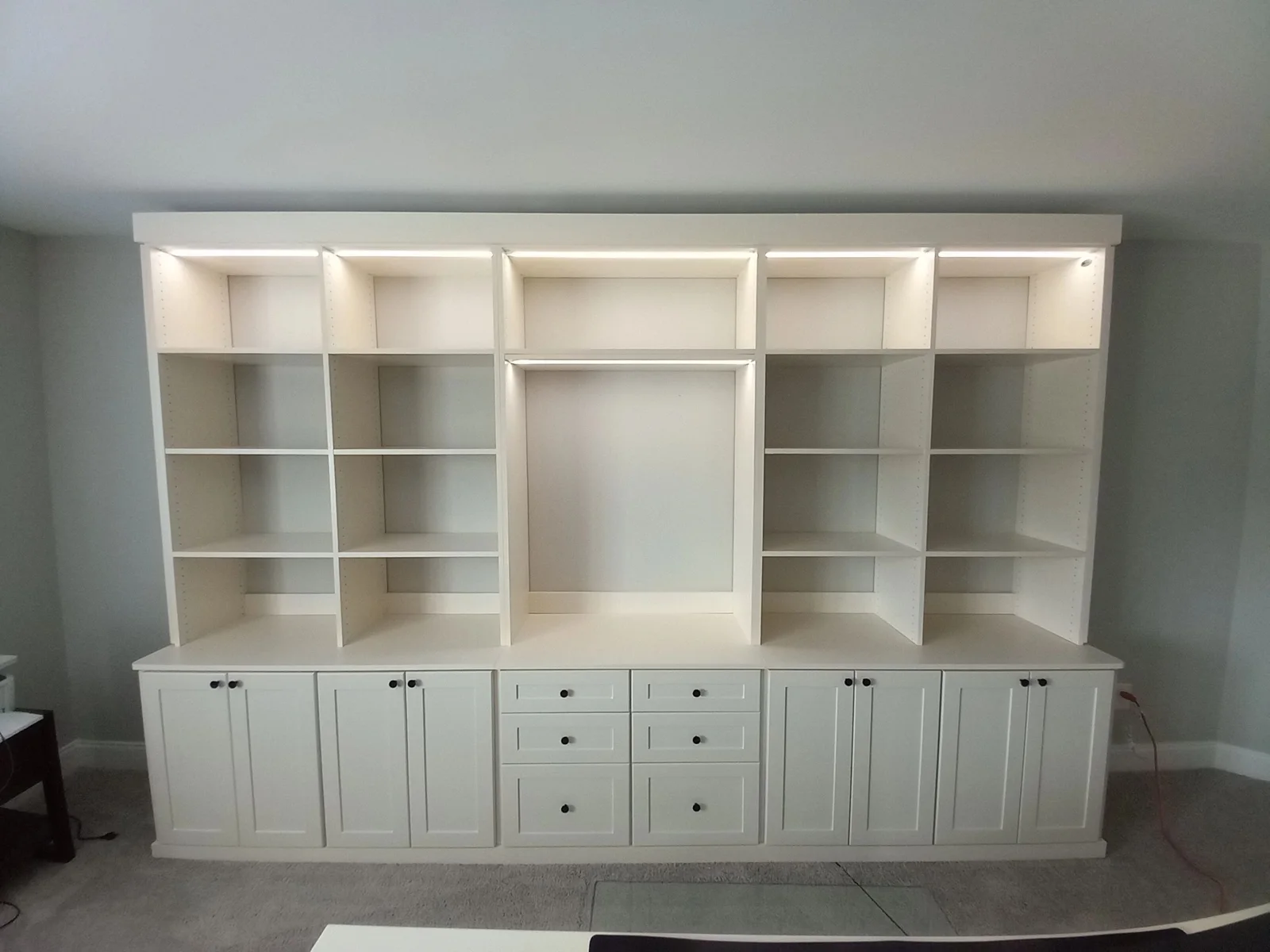
Start with the shelf and the task.
A container that looks appealing online may waste usable shelf space or be difficult to lift when full. Measure the clear opening, including the space below the next shelf, and account for handles. Think about whether you will remove the whole container or reach into it in place.
Use one trial container before committing to a large matching set. A useful fit matters more than making every category look identical.
Give drawers a clear purpose.
Dividers work best when the drawer already has a defined job. Group similar items, remove things that belong elsewhere and measure the internal drawer width, depth and usable height. A deep insert may collide with contents above it; a shallow tray can disappear beneath larger objects.
Adjustable dividers help when categories change. For jewelry or delicate accessories, discuss an appropriate liner and the care needs of the items it touches.
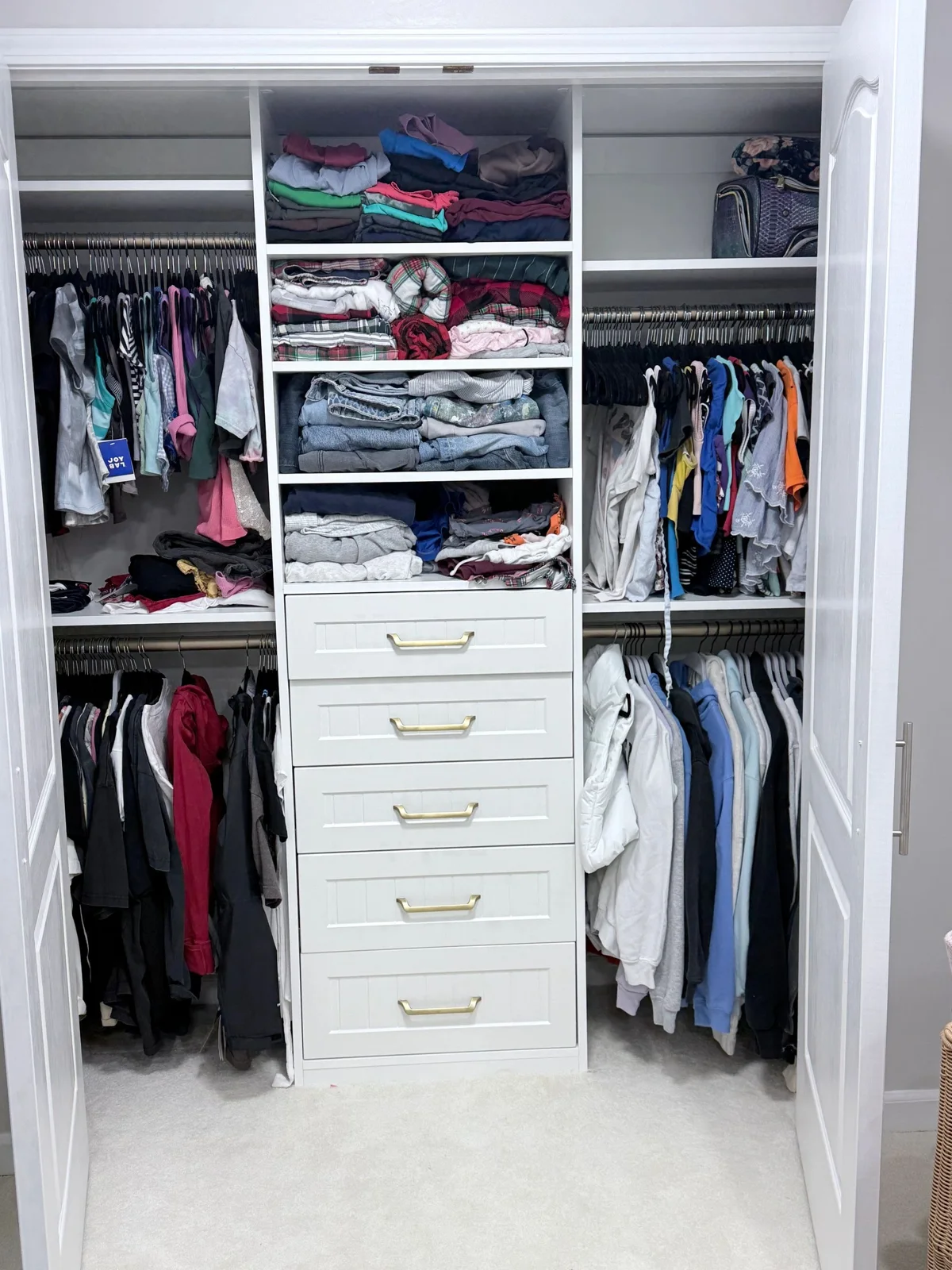
Make pantry contents easy to see.
Choose an arrangement that lets you identify what you have without unpacking the entire shelf. Open bins can group snacks or baking supplies, while a turntable may make a deep corner more accessible. Check the turning space and the shelf height before choosing one.
Decanting is optional. If you transfer food, keep the information you need about ingredients, allergens, preparation and dates. A system that demands more maintenance than your household enjoys is unlikely to last.
Let family storage be easy to reset.
Low open baskets, reachable hooks and a clear return location can make daily tidying more manageable. Match the storage to the person using it. Avoid making a child lift a heavy lid or reach to a high shelf for frequently used belongings.
Leave some spare capacity. A basket packed tightly to the top is harder to use than one with room to place the next item. When the category outgrows its home, review the contents and the storage plan together.
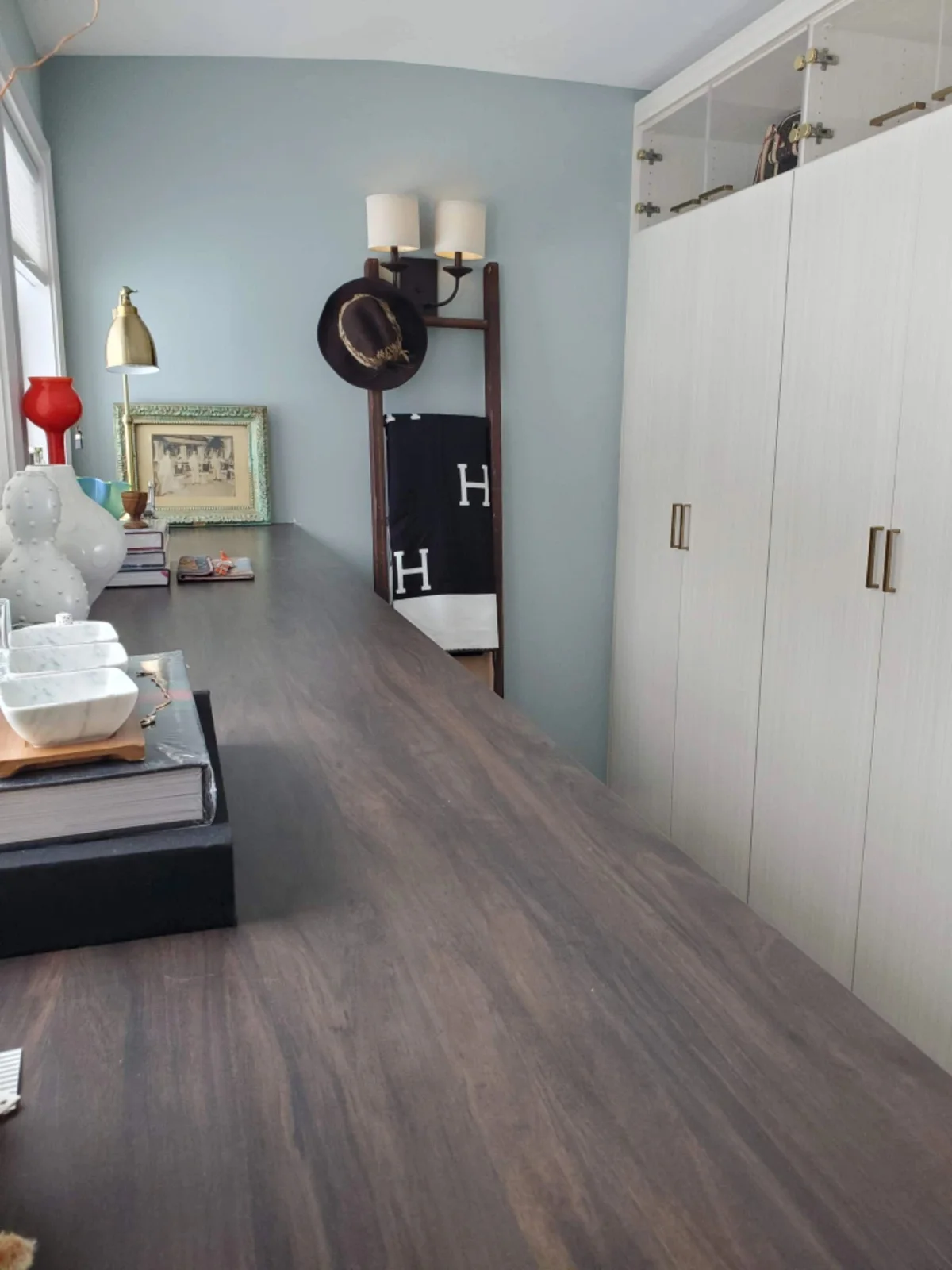
Know when the container is not the solution.
If doors block drawers, shelves are too deep or there is nowhere to hang longer clothing, accessories alone may not solve the problem. Photograph the difficulty and describe the action you want to make easier.
Curated Closet and Home can help connect organization choices with a better storage layout. Start with the room and your routine, then choose the cabinetry, shelves and accessories that support them.
Buy One Organizer Before Buying the Whole Set
Test a single container in the actual shelf or drawer. Fill it with the intended contents and use it for several days. Check whether it lifts out easily, catches on the opening or hides the things you need to see. An empty container fitting on a shelf is only the beginning of the test.
For frequently used categories, fewer steps usually make resetting easier. If the routine requires removing a lid, lifting another bin and rearranging the contents, simplify it. Matching containers are useful only when their dimensions and operation support the task.
Compare the Choices
| Choice or situation | What to consider | What to check |
|---|---|---|
| Open bin | Groups loose items and can be lifted out. | Check full weight, handles and shelf clearance. |
| Drawer divider | Keeps an established category in place. | Measure the usable interior, not the cabinet exterior. |
| Turntable or pull-out | Can improve access in a suitable location. | Confirm the entire movement fits the opening. |
Put This into Practice
- Name the access problem before shopping.
- Test with the real contents.
- Choose cabinetry changes when accessories cannot solve blocked access.