

Name the problem before naming the product.
A room can feel uncomfortable because of glare, difficult daylight, a lack of privacy or another condition. An outdoor seating area may be affected by direct sun, views from nearby properties or insects. Record the actual experience and when it happens.
This is more helpful than deciding immediately that you need a particular model. A good product choice follows a clear brief.
Understand the interior questions.
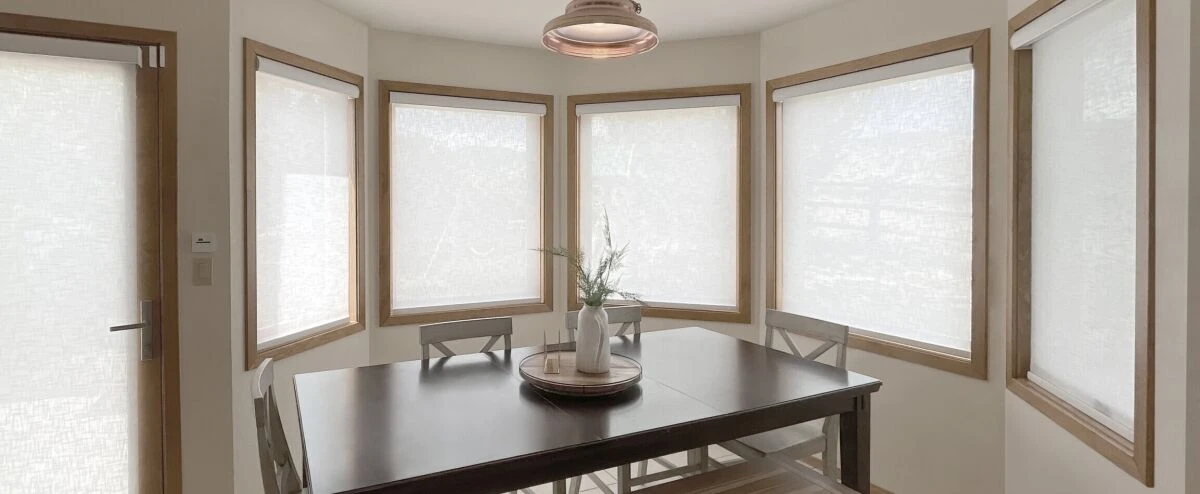
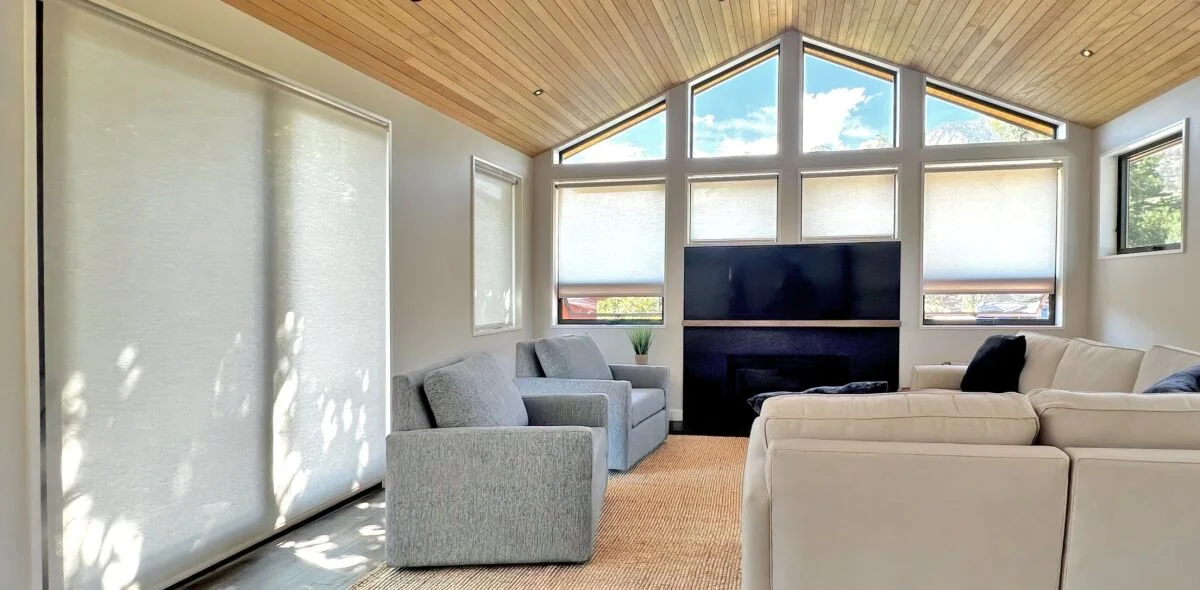
For an interior room, consider the window, trim, mounting space and the way the room is used. Fabric selection should reflect the desired balance of daylight, view, privacy and light reduction. A bedroom and an office can have very different priorities.
Discuss nighttime privacy separately from daytime glare control. A solar-screen fabric that suits a bright workday may not provide the privacy needed when the room is lit after dark.
Understand the exterior questions.
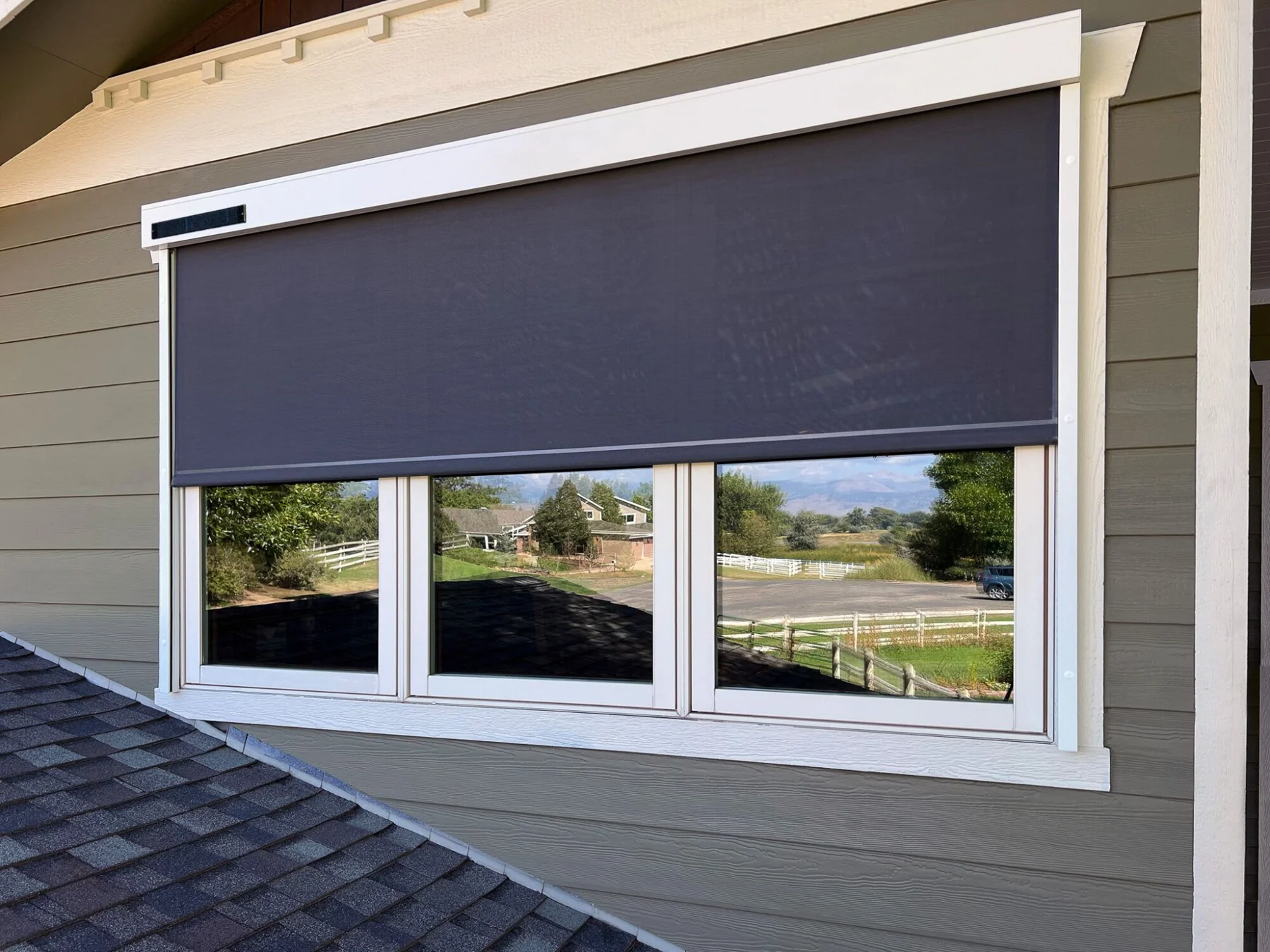
An exterior shade must relate to the complete opening and the structure supporting it. Photos should show posts, beams, edges and the surroundings, along with the approximate dimensions. Exposure and operating guidance also matter.
If insect control is a goal, explain it explicitly. Not every shading arrangement is an insect-screening solution, and the fabric alone does not describe how the opening will be treated.
Consider operation early.
Manual and motorized choices depend on the selected system and its application. Motorized options introduce power and control decisions that should be reviewed before the specification is finalized.
If the project is part of new construction or a renovation, coordinate those requirements with the design and trade sequence. It is easier to discuss mounting and power before the surrounding work is complete.
Bring both areas into one conversation when useful.
A room and the patio beside it may share a visual relationship but need different shade solutions. Coordinating color and intent does not require identical products. Each opening still needs its own suitable specification.
Start with photos, a description of the problem and the times of day that matter. Sara can help identify the relevant questions and the product directions to review next.
Use the Location of the Problem to Narrow the Choice
A bright desk and an uncomfortable patio may face the same direction but require different solutions. The desk involves a seated sightline, screen position and evening privacy. The patio involves the sun’s path, outdoor structure, adjacent openings and exposure.
Photograph each problem during the period it matters. A pleasant morning photo cannot explain late-afternoon glare. If both spaces are part of the project, coordinate the visual palette while allowing each system to meet its own requirements. You do not need identical products to make adjoining indoor and outdoor spaces feel related.
Compare the Choices
| Choice or situation | What to consider | What to check |
|---|---|---|
| Indoor daylight or privacy | Start with interior fabric and mounting options. | Describe both daytime and nighttime use. |
| Patio comfort | Start with exposure and the outdoor opening. | Show supporting structure and side conditions. |
| Outdoor window application | Review the specific exterior mounting situation. | Confirm system suitability and service access. |
Put This into Practice
- Name the activity affected by light or exposure.
- Record the time and location of the problem.
- Treat power, structure and appearance as linked but separate decisions.